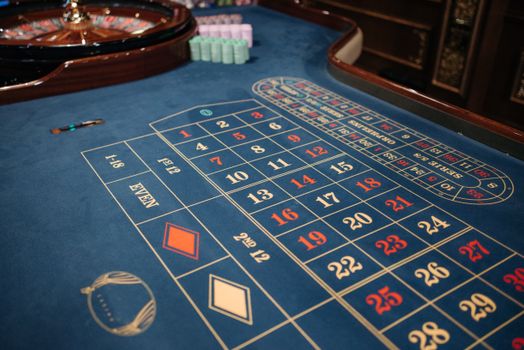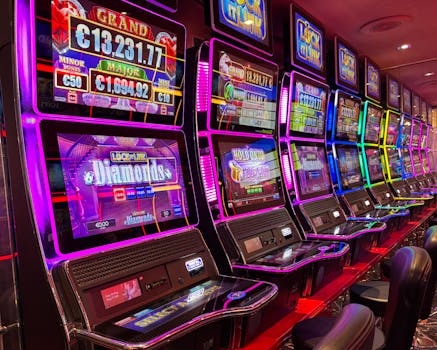
Slot games are a staple of casinos worldwide and a favorite pastime for millions. However, few players pause to consider the fascinating journey these games have taken—from the clanging, mechanical machines of the 19th century to the cutting-edge, immersive online slots of today. The history of slot games is a tale of innovation, social change, and technological leaps. In this article, we’ll trace the evolution of slot machines, discover key milestones, and see how they became a digital phenomenon that continues to captivate players around the globe.
The Birth of Slot Machines: 19th Century Innovation
The story of slot games begins in the late 1800s, during an era of rapid industrial progress and invention. In 1891, Sittman and Pitt of Brooklyn, New York, developed a gambling machine that used five drums to display a total of 50 playing cards. Players inserted a nickel and pulled a lever to spin the drums, aiming for poker hands. While not a true slot machine as we know it today, this device laid the foundation for future developments.
The true breakthrough came in 1895, when Charles Fey, a San Francisco mechanic, invented the Liberty Bell slot machine. Fey’s design was revolutionary—it replaced the multiple drums with three spinning reels, each marked with symbols like horseshoes, stars, and the Liberty Bell. The simplicity of matching three symbols made the machine easy to play and understand. Payouts were automatic, with the top prize of 50 cents awarded for three Liberty Bells. This innovation launched a new era of automated gaming and set the standard for modern slots.
.png)
By 1908, slot machines were so popular that Herbert Mills, a Chicago manufacturer, produced the Operator Bell, which introduced the now-iconic BAR symbol. By 1910, slot machines could be found in cigar shops, saloons, and bowling alleys across the United States.
The Rise of Electromechanical Slots: 20th Century Transformation
For decades, slot machines remained mechanical, relying on gears, springs, and levers. However, the 1960s brought a wave of technological change. In 1963, Bally Technologies released the first fully electromechanical slot machine, called Money Honey. Unlike its mechanical ancestors, Money Honey used electrical components to power the reels, lights, and automatic payouts up to 500 coins.
This innovation enabled bigger jackpots, more complex features, and the development of new game mechanics—such as the introduction of flashing lights, sound effects, and multiple coin denominations. The convenience of electric operation also allowed casinos to introduce the first multi-coin bets, setting the stage for the expansive slot floors seen in Las Vegas and Atlantic City.
The arrival of microprocessor technology in the 1970s further transformed slot machines. By 1976, the first true video slot was developed by Fortune Coin Co. in California, using a 19-inch Sony TV for its display. This paved the way for digital random number generators (RNGs), ensuring fair outcomes and greater game variety.
The Digital Revolution: From Reels to Virtual Slots
The digital revolution of the 1980s and 1990s marked a turning point in slot history. With the introduction of personal computers and advanced microchips, slot machines became even more sophisticated and reliable. RNGs replaced mechanical reels entirely, allowing for more symbols and paylines per game. This expanded the creative possibilities for game designers, who began to experiment with themes, bonus rounds, and interactive features.
In 1994, Microgaming launched the world’s first true online casino, including digital slot games, forever changing the way players engaged with slots. Remote gambling was suddenly possible, and players could access a growing library of games from their home computers.
The rise of the Internet expanded the slot gaming audience far beyond casino floors. In the early 2000s, the development of secure payment systems, improved graphics, and faster internet speeds fueled explosive growth in online slots. By the mid-2010s, mobile technology brought slot gaming to smartphones and tablets, making it more accessible than ever.
Modern Online Slots: Features, Growth, and Global Impact
Today, online slot games are a global industry, generating over $50 billion in annual revenue worldwide. Modern slots are a far cry from the simple machines of the past, offering hundreds of themes, advanced graphics, 3D animations, and immersive soundtracks. Game developers such as NetEnt, Playtech, and Pragmatic Play continue to push the boundaries, creating titles with cinematic storytelling, gamified bonus features, and multi-million-dollar progressive jackpots.
One key driver of modern slot popularity is accessibility. By 2023, over 60% of slots are played on mobile devices, according to Statista. Players can enjoy their favorite games 24/7, with a few taps on a screen. Additionally, online casinos offer a range of incentives, such as free spins, loyalty programs, and tournament play, adding excitement and value for players.
Let’s take a closer look at how slot machines have evolved over time:
| Era | Technology | Key Features | Notable Example |
|---|---|---|---|
| 1890s - 1950s | Mechanical | Levers, reels, automatic payouts | Liberty Bell |
| 1960s - 1970s | Electromechanical | Electric reels, lights, sound, larger jackpots | Money Honey |
| 1980s - 1990s | Video/Digital | RNGs, video screens, multi-line bets | Fortune Coin |
| 1994 - Present | Online/Mobile | Virtual reels, themed games, progressive jackpots, mobile play | Starburst, Mega Moolah |
Societal Impact and Regulation of Slot Games
Throughout their history, slot games have not only evolved technologically but also influenced and been shaped by society. In the early 20th century, anti-gambling laws in the United States prompted slot machine manufacturers to rebrand their devices as vending machines, dispensing gum or mints instead of cash prizes. The fruit symbols seen on many slots today—such as cherries and lemons—originate from this era.
As slot machines spread worldwide, governments introduced regulations to ensure fair play and prevent gambling addiction. The UK Gambling Act of 2005, for example, set strict standards for online slot providers. In the United States, the Indian Gaming Regulatory Act of 1988 paved the way for slot machines in tribal casinos, dramatically increasing their popularity.
By the 2020s, countries like Sweden, the Czech Republic, and Australia have implemented responsible gambling measures, including deposit limits, self-exclusion programs, and mandatory information about odds and payouts. These efforts reflect society’s growing awareness of the potential risks and rewards of slot gaming.
The Future of Slot Games: Innovation on the Horizon
Looking ahead, the slot game industry shows no signs of slowing down. The integration of virtual reality (VR) and augmented reality (AR) promises to deliver even more immersive and interactive experiences. Developers are experimenting with skill-based slots, blending traditional chance with elements of player strategy.
Blockchain technology and cryptocurrencies are also making inroads, offering provably fair gaming and new ways for players to manage funds securely. In 2023, over 150 online casinos accepted Bitcoin and other cryptocurrencies for slot wagers, adding another layer of convenience and anonymity.
Moreover, the popularity of live-streamed slots and social casino platforms is changing how players interact with games and each other. Community features, real-time chat, and multiplayer tournaments are turning solitary spins into shared experiences.
With global online gambling revenue projected to surpass $100 billion by 2028, slot games will undoubtedly remain at the forefront of both entertainment and technology.
Reflecting on the Journey: The Enduring Legacy of Slot Games
From tinkering mechanics in 19th-century workshops to today’s dazzling, high-tech online casinos, the history of slot games is a testament to human creativity and adaptability. Each era brought new technologies, new challenges, and new ways to play, keeping the appeal of slots fresh for generation after generation. As gaming technology continues to evolve, one thing remains certain: slot games will continue to captivate, entertain, and inspire players for years to come.