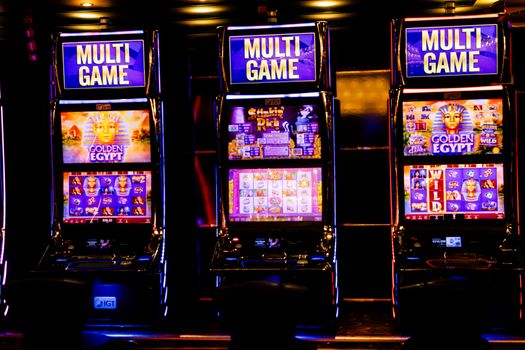
Slot machines are among the most recognizable and enduring symbols of the gaming world, with a history as colorful as the games themselves. From the mechanical wonders of the late 19th century to today’s immersive digital universes, slot games have evolved dramatically in both technology and popularity. This article explores the fascinating history and key milestones in the development of slot games, charting their journey from humble beginnings to their current status as a cornerstone of both land-based and online casinos worldwide.
The Dawn of Slot Machines: The Birth of the One-Armed Bandit
The origins of slot machines date back to the late 1800s, an era marked by rapid technological innovation. In 1891, the first recognized gambling machine was created in Brooklyn, New York, by Sittman and Pitt. This machine was based on poker and featured five drums holding a total of 50 card faces. Players would insert a nickel and pull a lever to spin the drums, hoping for a winning poker hand. However, payouts were not automatic; winners received prizes such as drinks or cigars from the bar.
The true revolution in slot gaming came in 1895, when Charles Fey, a mechanic from San Francisco, invented the Liberty Bell. Unlike its predecessor, Fey’s machine had three spinning reels and replaced the complex poker hands with simple symbols: horseshoes, stars, bells, and playing card suits. The Liberty Bell awarded an automatic payout of 50 cents for three bell symbols in a row, making it the world’s first true slot machine and a blueprint for future designs.
.png)
Key Fact: By 1908, the Liberty Bell’s design was widely copied, and slot machines became a mainstay in bars and saloons across the United States.
Expansion, Regulation, and the Rise of Fruit Machines
As the popularity of slot machines grew, so did scrutiny from authorities. Many states enacted laws to restrict or ban gambling devices, prompting manufacturers to adapt. In 1907, Herbert Mills introduced the Operator Bell, featuring fruit symbols such as cherries, lemons, and plums — a clever move to sidestep anti-gambling laws. Instead of cash, winners often received fruit-flavored gum, giving rise to the term “fruit machine.”
During the 1930s, slot machines found a new home in Las Vegas, where gambling was legalized in 1931. By the 1940s, slots accounted for approximately 70% of casino floor space in Nevada. Their simple design and straightforward gameplay attracted a broad demographic, fueling their rapid spread.
Key Fact: By 1950, the U.S. had over 150,000 slot machines in operation, generating millions in revenue for casinos and bars.
The following table highlights the early evolution of slot machines:
| Year | Milestone | Key Feature |
|---|---|---|
| 1891 | Sittman and Pitt Machine | Poker-based, manual payouts |
| 1895 | Liberty Bell by Charles Fey | Three reels, automatic payout |
| 1907 | Operator Bell by Herbert Mills | Fruit symbols, gum rewards |
| 1931 | Legalization in Las Vegas | Slots become casino staples |
The Electronic Revolution: From Mechanical to Digital
The next significant leap in slot game history occurred in the mid-20th century with the advent of electromechanical machines. In 1963, Bally Technologies released the Money Honey, the first fully electromechanical slot. This game introduced electronic reels, a bottomless hopper, and automatic payouts of up to 500 coins, setting the stage for more sophisticated gaming experiences.
By the late 1970s, video slot machines made their debut. The Fortune Coin Company, based in Las Vegas, developed the first true video slot in 1976. Using a modified 19-inch Sony television, this machine replaced mechanical reels with a digital display, opening the door for more creative themes and bonus features.
Key Fact: By the early 1980s, video slots had become widespread, particularly after the Nevada Gaming Commission approved their use in casinos.
The Internet Era: Online Slots and Global Accessibility
The arrival of the internet in the 1990s transformed every industry, and gambling was no exception. In 1994, Microgaming, a software company based on the Isle of Man, launched the world’s first online casino. Among the initial offerings were digital versions of slot machines, enabling players to enjoy their favorite games from the comfort of home.
Online slots quickly evolved to offer more interactive features, bigger jackpots, and a wide variety of themes. Progressive jackpots, such as Microgaming’s Mega Moolah, captivated global audiences by pooling bets from multiple sites to offer prizes worth millions. In fact, Mega Moolah set a world record in 2015 with a payout exceeding €17.8 million (about $20 million at the time).
By 2022, the global online gambling market was valued at over $63 billion, with slot games accounting for nearly 70% of all online casino revenue.
Key Fact: There are now more than 20,000 unique online slot titles available worldwide, covering every theme imaginable from ancient Egypt to space exploration.
Innovations in Game Design: Features, Graphics, and Player Engagement
Modern slot games offer far more than spinning reels and flashing lights. The explosion of technological innovation has transformed slots into interactive entertainment experiences. Today, developers incorporate advanced graphics, cinematic animations, and immersive soundtracks to keep players engaged.
Features such as wild symbols, scatter pays, cascading reels, and free spins have become standard. Some games include complex bonus rounds, 3D effects, and even narrative-driven gameplay. Video slots now frequently include branded content, partnering with major entertainment franchises like Game of Thrones or Jurassic Park to attract broader audiences.
Mobile gaming has played a crucial role in slot development. With more than 3.8 billion smartphone users worldwide as of 2024, mobile-optimized slots allow players to access their favorite games anytime, anywhere. According to Statista, mobile gaming accounted for 54% of total gaming revenue globally in 2023, highlighting the significance of this platform for slots.
Responsible Gaming and Regulatory Advances in Slot History
As slot machines have evolved, so too has the regulatory framework surrounding them. Today, all reputable slot games — both physical and digital — use Random Number Generators (RNGs) to ensure fair play. Independent testing agencies, such as eCOGRA and GLI, regularly audit these systems.
Governments and industry bodies have also introduced tools to promote responsible gaming. Features like self-exclusion, betting limits, and reality checks help prevent problem gambling. The UK Gambling Commission, for example, requires all licensed operators to implement strict player protection measures, contributing to a safer gaming environment.
Key Fact: In 2023, over 14 million people in the UK used self-exclusion tools or deposit limits to manage their slot gaming habits.
Looking to the Future: Emerging Technologies and Trends
The development of slot games continues at a rapid pace, with new technologies pushing the boundaries of what’s possible. Virtual Reality (VR) and Augmented Reality (AR) slots are in development, promising to deliver fully immersive casino experiences. Blockchain technology is also being explored to provide transparent, decentralized gaming environments.
Social gaming is another trend shaping the future of slots. Games that incorporate social elements, leaderboards, and friend challenges are growing in popularity, especially among younger audiences. The continued growth of esports and live streaming is also influencing how slot games are designed and played.
Industry experts predict that by 2027, the global online slot market will surpass $100 billion in value, driven by technological innovation and expanding international regulations.
Key Takeaways on the History and Development of Slot Games
The journey of slot games from mechanical novelties to digital entertainment giants is a testament to human ingenuity and our love of chance. Each era brought significant milestones: the invention of the Liberty Bell, the shift to electronic and video slots, the rise of online gambling, and the current wave of immersive gameplay and mobile access.
Slot games are now a global phenomenon, enjoyed by millions daily and supported by a robust regulatory framework. As technology advances, we can expect even more innovative features and greater accessibility, ensuring that the legacy of the slot machine continues to thrive for generations to come.